
Choosing Between Rechargeable and Battery Hearing Aids in Florida's Climate
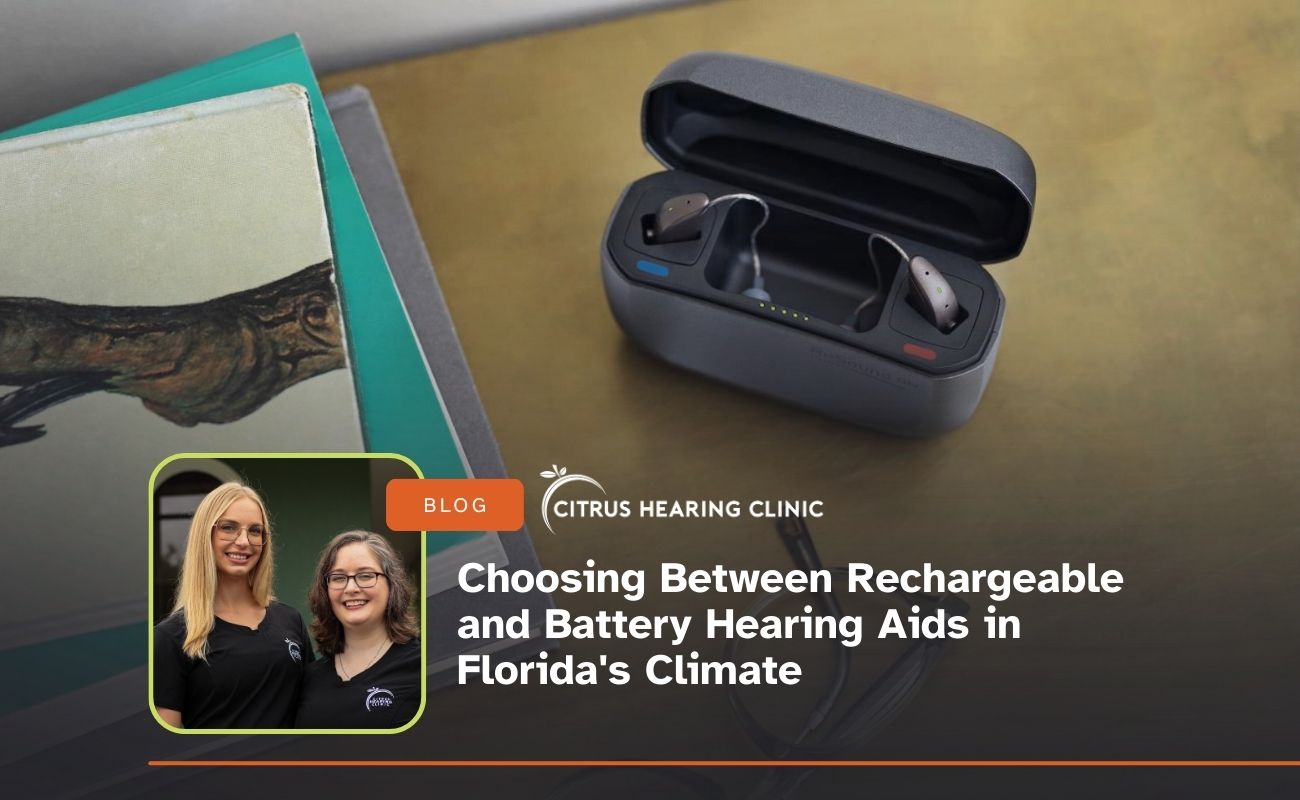


Living in a subtropical environment like Florida throws some unique challenges at hearing aid users. Between the notorious humidity that can hit 90% on a summer day and the constant transition between frigid air conditioning and sweltering heat, choosing the right power source for your devices is about more than just convenience—it’s about durability.
How the Climate Impacts Your Technology
The transition from a 72-degree home into heavy humidity during a morning walk creates more than just discomfort for the wearer; it creates a "stress test" for electronics. Rapid temperature changes can lead to internal condensation, while high moisture levels can interfere with the chemistry of traditional batteries.
Furthermore, the constant presence of background noise—from pool pumps to the non-stop hum of central air systems—demands more from hearing aid processors. These devices are working continuously to filter out environmental drones to keep speech clear, which directly impacts daily power consumption.
Rechargeable Systems: Built for Moisture Protection
Rechargeable hearing aids have become the most popular choice for our patients, primarily due to their structural integrity.
- Superior Sealing: Most rechargeable models use lithium-ion batteries housed in a sealed compartment. Because you don’t have to open a battery door every few days, there are fewer opportunities for humid air or perspiration to seep inside and corrode the delicate internal circuitry.
- Reliable Power Delivery: Traditional batteries gradually lose voltage as they die, which can occasionally cause fluctuations in sound quality. Lithium-ion systems deliver a steady stream of power, ensuring consistent performance for a full 20–24 hours of use.
- Ease of Use: If your hands are damp from the heat or if you find small battery tabs frustrating to handle, the "drop and go" nature of a charging case provides a much simpler daily routine.
Managing Traditional Batteries in High Humidity
Zinc-air batteries (the disposable "button" style) remain a reliable option for many, but they require a bit more maintenance in moist climates. These batteries are "air-activated," meaning they rely on oxygen entering through small holes in the battery casing to create power.
In high-humidity areas, this chemical reaction can be less efficient. We frequently see battery life run slightly shorter in these environments—often lasting 4–5 days instead of the 7–10 days expected in drier states.
Best Practices for Disposable Batteries:
- Storage Matters: Never store your batteries in a bathroom or kitchen where moisture levels fluctuate. A cool, dry dresser drawer is ideal.
- Dehumidifiers: We strongly recommend using a hearing aid "dry jar" or an electronic dehumidifier overnight. This pulls moisture out of the battery compartment and prevents corrosion.
- Maintenance: Regularly wipe down the battery contacts with a clean, dry cloth to ensure a solid electrical connection.
The Role of Professional Verification
Regardless of which power system you choose, the environment dictates how your devices should be programmed. Because cooling systems are a survival requirement in the South, we often adjust noise reduction settings specifically to manage that constant HVAC drone without sacrificing speech clarity.
We utilize Real Ear Measurements (REM) to verify that your hearing aids are performing optimally for your specific ear anatomy and lifestyle. This testing ensures your devices aren't "over-working," which helps maximize battery life while providing the best possible sound quality.
Making the Right Choice for Your Lifestyle
- Choose Rechargeable if: You spend significant time outdoors, want the best protection against moisture-related repairs, or prefer the simplicity of a nightly charging routine.
- Choose Disposable if: You frequently travel to areas without reliable power, or if you prefer the peace of mind that comes with being able to swap a battery in seconds anywhere you go.
Our goal is to help you find a solution that works as hard as you do, even in the peak of the Florida heat. If you have questions about which technology fits your routine, our team is here to help you stay connected to all the sounds that make our local lifestyle special.

Other Blogs
Contact us
Clinic Location
Clermont, FL 34711
Opening Hours
Saturday - Sunday: Closed
